

Introduction
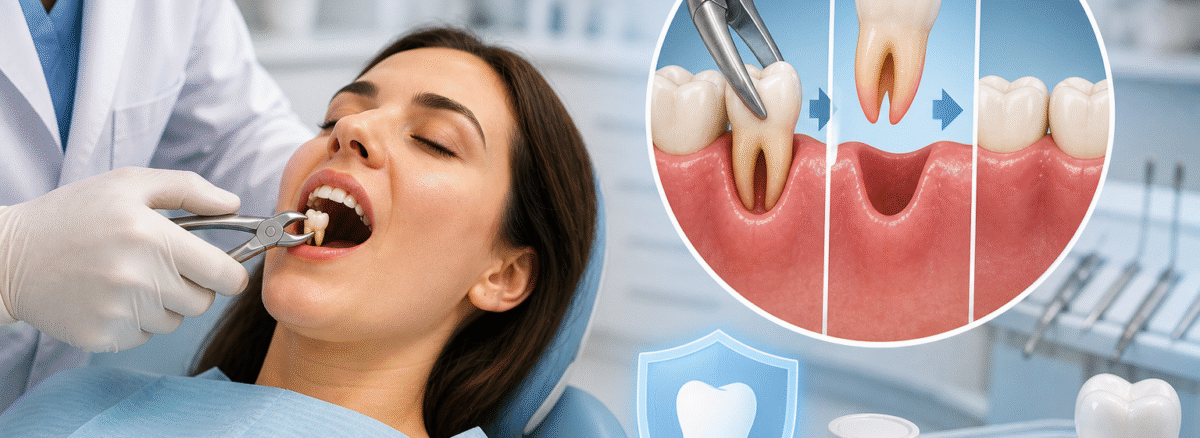
For many people, the thought of having a tooth removed is one of the most anxiety-inducing experiences they can imagine. Fear of pain, swelling, and a long, complicated recovery keeps countless patients from getting dental treatment they actually need. The good news is that modern dentistry has completely transformed this experience. A Safe Tooth Extraction Procedure with Minimal Pain is not just a promise — it is the standard at quality dental clinics today. With painless tooth extraction treatment techniques and proper post-care guidance, most patients are genuinely surprised by how manageable the process is. This blog explains exactly what to expect before, during, and after a tooth extraction so you can approach your appointment with confidence rather than fear.

Does Tooth Extraction Hurt?
This is the most common question patients ask. Does tooth extraction hurt? The straightforward answer is: not during the procedure itself. Modern local anesthesia completely numbs the area around the tooth before the extraction begins. You may feel some pressure or mild movement as the tooth is loosened and removed, but actual pain is effectively controlled. For highly anxious patients, many clinics also offer sedation options that make the entire experience deeply relaxed and comfortable.
Any discomfort is more likely to occur in the hours after the anesthesia wears off — which is completely normal and expected. This is where good post-operative care and pain management make a significant difference.
Tooth Extraction Recovery Time — A Day by Day Guide
One of the most commonly asked questions is about tooth extraction recovery time. Understanding the typical recovery timeline helps you plan your schedule and know what is normal at each stage.
Day 1 — Immediately After the Procedure
Some bleeding from the extraction site is completely normal for the first few hours. Your dentist will ask you to bite firmly on a gauze pad to help the blood clot form in the socket. This clot is critically important — it protects the bone underneath and allows healing to begin. Avoid spitting forcefully, using straws, rinsing aggressively, or touching the area with your tongue during this stage, as any of these can dislodge the clot. Rest at home with your head slightly elevated, apply a cold compress to the outside of your cheek to minimize swelling, and take your prescribed medication as directed.
Days 2 and 3 — Swelling Peaks
Swelling and bruising are at their highest around days 2 and 3. This is perfectly normal — it is your body’s natural healing response. Continue applying cold compresses, take pain relief as recommended by your dentist, and stick to very soft foods. Avoid anything hot, crunchy, spicy, or hard that could disturb the healing socket.
Days 4 and 5 — Significant Improvement
Most patients notice a meaningful reduction in pain and swelling by day 4 or 5. Eating becomes easier, and energy levels start to return. Gentle rinsing with warm salt water (after the first 24 hours) helps keep the area clean and promotes healing. Continue avoiding hard foods and smoking.
Week 2 Onwards
By the end of the first week, most patients feel close to normal. Gum tissue typically heals fully within 1 to 2 weeks. Complete bone healing in the socket takes longer — several months — but does not cause discomfort or affect daily life.
Tips to Speed Up Your Recovery
- Follow all post-extraction instructions given by your dentist without exceptions.
- Eat soft, cool foods like yogurt, mashed potatoes, smoothies, and soup for the first 3 to 5 days.
- Avoid smoking and alcohol — both significantly slow the healing process and increase complication risk.
- Do not poke or disturb the extraction site with your tongue, fingers, or any object.
- Take all prescribed antibiotics and pain medications exactly as directed.
- Return for your follow-up appointment so your dentist can confirm healing is progressing normally.
What Is Dry Socket and How to Avoid It?
Dry socket is one of the most common post-extraction complications. It occurs when the protective blood clot at the extraction site is dislodged or dissolves before the wound heals, exposing the underlying bone to air and food particles. It causes a throbbing, radiating pain that typically intensifies 3 to 5 days after the procedure. Dry socket is most commonly caused by smoking, using straws, forceful rinsing, or physically disturbing the clot. Following your dentist’s instructions carefully is the most reliable way to prevent it.

Conclusion
The fear surrounding tooth extraction is almost always worse than the experience itself. With a Safe Tooth Extraction Procedure with Minimal Pain and proper post-operative care, the tooth extraction recovery time is typically short and manageable. The answer to ‘does tooth extraction hurt?’ is reassuringly simple — not as much as you think, especially at a modern clinic with experienced dental professionals. At Grand Infinity Medical Center in Dubai, our dental team provides painless tooth extraction treatment using the latest techniques and equipment in a calm, patient-friendly environment. Stop putting off the dental care you need — book your appointment today and take that confident step toward better oral health.

Leave feedback about this