Introduction
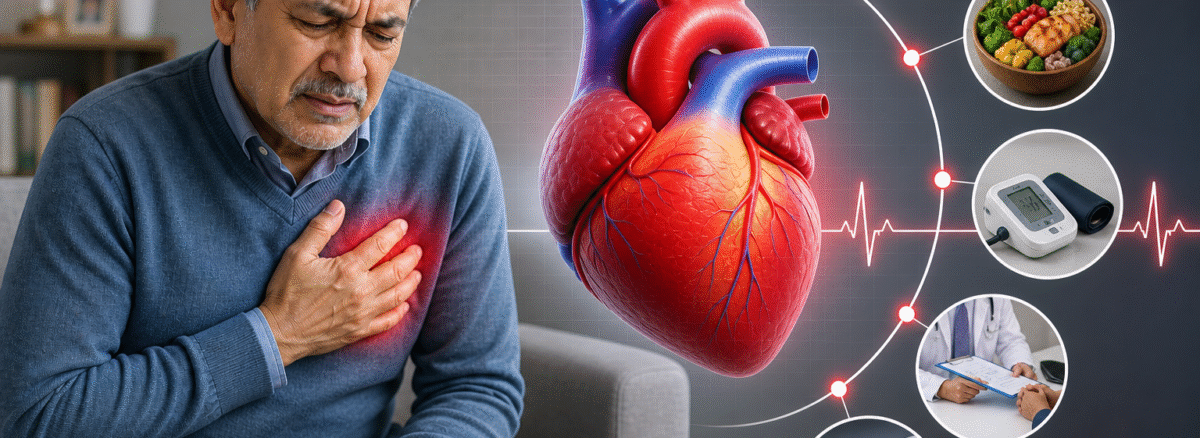
The heart is the engine that powers every function in the human body. When that engine starts to weaken, the effects ripple through every aspect of daily life. Congestive Heart Disease — also widely referred to as congestive heart failure (CHF) — is a serious but manageable chronic condition where the heart cannot pump blood as efficiently as the body needs. Understanding congestive heart failure symptoms and treatment options is essential for patients, caregivers, and families navigating life with this condition. Equally important is recognizing the early signs of congestive heart disease before they escalate into a serious medical crisis.

What Is Congestive Heart Disease?
Congestive Heart Disease does not mean the heart has stopped — it means the heart is pumping with less efficiency than it should. As a result, fluid can build up in the lungs, legs, and abdomen, causing the characteristic symptoms of congestion. The condition is typically progressive and chronic, meaning it requires ongoing management. However, with the right medical care and lifestyle adjustments, many people with CHF live full and active lives for years after their diagnosis.
Common causes include coronary artery disease, high blood pressure that has been uncontrolled for years, previous heart attacks, diabetes, obesity, and certain infections or medications that can weaken the heart muscle over time.
Early Signs of Congestive Heart Disease
Recognizing the early signs of congestive heart disease can save lives. Because these symptoms often appear gradually and seem unrelated at first, many patients dismiss them as normal signs of aging or general fatigue. Watch carefully for these warning signs:
- Shortness of breath during activities that previously caused no difficulty — like climbing one flight of stairs or walking a short distance.
- Persistent and unexplained fatigue or weakness that does not improve with rest.
- Swelling (edema) in the ankles, feet, legs, or even the abdomen.
- A rapid, irregular, or pounding heartbeat.
- A chronic, dry cough or wheezing that worsens at night or when lying flat.
- Significant weight gain over a very short period — often 2 to 3 kilograms in just a few days — due to fluid retention.
- Reduced ability to exercise or participate in physical activities you previously managed easily.
- Difficulty concentrating, brain fog, or unusual confusion.
How Congestive Heart Disease Affects Daily Life
Physical Activity and Energy
One of the most challenging heart failure symptoms is dramatically reduced physical stamina. Simple tasks — climbing stairs, carrying shopping bags, or walking a short distance — can leave patients breathless and exhausted. Pacing activities throughout the day and taking regular rest periods becomes essential for maintaining quality of life.
Sleep Quality
Many CHF patients experience significant sleep disruption. Lying flat can worsen breathing difficulties due to fluid redistribution in the lungs. Patients often need to sleep propped up with multiple pillows, and many wake in the night feeling breathless — a symptom known as paroxysmal nocturnal dyspnea.
Diet and Fluid Management
Managing fluid and sodium intake becomes a daily reality. Patients are typically advised to restrict salt to prevent fluid retention and to monitor daily fluid intake carefully. This requires significant changes to eating habits and meal planning, which can affect social activities and family dining.
Medication Complexity
Most CHF patients take multiple medications daily — diuretics to reduce fluid, ACE inhibitors or beta-blockers to reduce the heart’s workload, and others. Managing these medications, monitoring for side effects, and never missing doses becomes a structured part of daily life.
Emotional and Mental Health
Living with a chronic heart condition inevitably takes a psychological toll. Anxiety, depression, and social withdrawal are common among CHF patients. The fear of exacerbation, dependence on others for help, and changes to independence all contribute to emotional challenges that deserve as much attention as the physical symptoms.
Congestive Heart Failure Symptoms and Treatment
The management of congestive heart failure symptoms and treatment typically combines multiple approaches tailored to the individual patient:
- Diuretic medications to reduce excess fluid and relieve congestion in the lungs and limbs.
- ACE inhibitors, ARBs, or beta-blockers to reduce the strain on the heart and slow disease progression.
- Low-sodium diet and careful fluid restriction.
- Regular, gentle physical activity — often under cardiac rehabilitation supervision.
- Daily monitoring of weight to detect early fluid retention before it becomes critical.
- In advanced cases, device therapy such as implantable defibrillators or cardiac resynchronization therapy.

Conclusion
Living with Congestive Heart Disease presents real daily challenges — but with the right care, most patients can live meaningful, comfortable lives. The key is early recognition of the early signs of congestive heart disease, prompt medical attention, and consistent management of congestive heart failure symptoms and treatment over the long term. At Grand Infinity Medical Center in Dubai, our specialist cardiology team provides comprehensive assessment and management for heart failure patients, offering personalized care that addresses both the physical and emotional dimensions of living with this condition. Do not ignore what your heart is telling you — early action truly saves lives.
Leave feedback about this